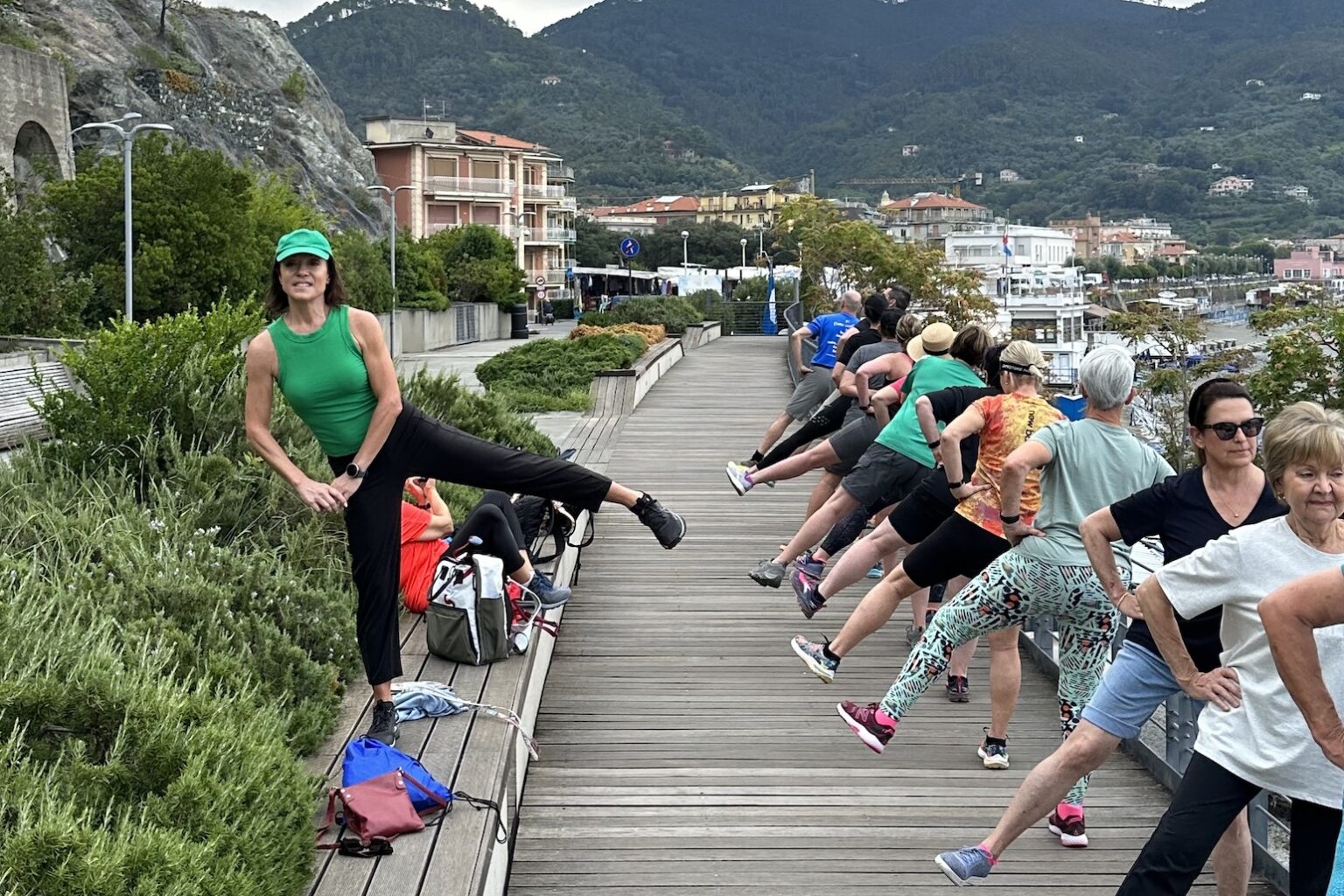
Ever wondered which activities actually burn the most kilojoules, and why exercise matters so much for weight loss? Spoiler: it’s not just about what happens during the workout itself.
Let’s break it down in a way that feels simple, motivating, and totally doable.
🔥 Why Exercise Matters (Beyond the Kilojoules)
Yes, you burn energy while you’re exercising, but the real magic happens after your workout.
When you exercise regularly, you increase your muscle percentage.
Muscle cells use fat as their preferred energy source.
So the more muscle you have, the more fat your body burns — even while you’re resting, reading, or sipping your morning coffee.
This is why strength training is such a powerful partner to cardio. It turns your body into a 24-hour fat‑burning machine.
📊 How Many Kilojoules Do You Burn?
(For a 70 kg person)
These numbers are approximate, but they give you a great sense of how different activities compare:
Activity
kJ per hour
kJ per minute
HIIT (High Intensity Interval Training)
3780
63
Skipping
3100
52
Jogging @ 9 km/h
3000
50
Swimming @ 45 m/min
2000
33
Brisk walking @ 7.5 km/h
1800
30
Cycling @ 20 km/h
1700
28
Tennis (singles)
1700
28
👉 Remember: The more you weigh, the more kilojoules you burn doing the same activity. A 50 kg person will burn less; an 80 kg person will burn more.
🎯 Your Weight‑Loss Goal: What It Takes
To lose ½ kg per week, you need to burn roughly 15 000 kJ more than usual.
You can do this by:
Increasing the duration of your workouts
Increasing the intensity
Adding strength training to boost your resting metabolism
Mixing up your routine to keep your body guessing (and your mind excited!)
💪 Variety = Better Results
For the best weight‑loss results, your weekly plan should include:
Cardio (walking, jogging, cycling, swimming)
Strength training (to build fat‑burning muscle)
HIIT (for maximum burn in minimum time)
Strength training is especially powerful because your body continues burning fat long after you’ve finished your session.
🌟 Want a Done‑For‑You Workout Plan?
Creating your own balanced, effective routine can feel overwhelming — which is exactly why I put together my Kickstart e‑book. It’s designed to take the guesswork out of weight loss, toning, and healthy eating, so you can simply follow the plan and feel your body transform.
Here’s what you get inside:
A complete 21‑day weight‑loss and toning workout plan Progress from beginner to intermediate and then advanced, repeating the program as many times as you like.
Videos, photos, and clear step‑by‑step descriptions So you always know exactly what to do and how to do it safely.
Two full 21‑day eating plans Choose between the Low GI Low Fat meal plan or the Keto/Banting meal plan — both delicious, balanced, and easy to follow.
Simple, tasty recipes Every meal plan comes with recipes that are quick, flavourful, and family‑friendly.
A gentle detox plan Perfect for resetting your system and boosting your results.
If you want to do your cardio session indoors, try this workout. Repeat the 6 minute program 2 – 4 times if you want a longer workout.
Join me and Armin in this invigorating 6-minute workout video. This session combines cardio exercises to burn fat and toning exercises to target your buttocks, thighs, and abdominals. All you’ll need is a cushion to get started.
Don’t forget to engage and motivate each other on the LK Fitness App private Facebook group. Surrounding yourself with like-minded individuals who share similar fitness goals and aspirations can have a profound impact on your overall progress.
I will guide you through this workout in Afrikaans, but don’t worry if you’re unfamiliar with the language. Simply follow my movements, and you’ll be able to participate effectively.
The Huge Benefits of Collagen – From Skin Health to Weight Loss
In recent years, Collagen has emerged as the new buzzword in the health and wellness industry, quickly gaining a reputation as a transformative supplement. Known for its wide-ranging health benefits, Collagen is taking over the world as people from all walks of life seek to enhance their wellbeing through this powerful protein. This article delves into the scientifically-backed advantages of incorporating Collagen into your daily routine.
1. Skin Health and Anti-Aging
Collagen plays a crucial role in maintaining skin elasticity and hydration. Studies have shown that Collagen supplementation can significantly reduce wrinkles and improve skin texture. By boosting the body’s natural Collagen production, these supplements help achieve a youthful, glowing complexion.
2. Joint and Bone Health
Research indicates that Collagen peptides can reduce joint pain and improve mobility in athletes and older adults alike. It also supports bone density, making it essential for maintaining strong, healthy bones. Especially for those suffering from joint pain or osteoporosis, Collagen is a game-changer.
Scroll down to read about Collagen’s impact on weight loss.
Collagen may aid in weight loss by promoting a feeling of fullness and supporting lean muscle mass. A study published in the Journal of Medicinal Food found that Collagen supplementation can make you feel more full, helping people consume fewer calories and potentially lose weight. This makes it a valuable addition to any weight management plan.
4. Benefits for Active Individuals
For those who lead an active lifestyle, Collagen is particularly beneficial. It supports muscle recovery and repair, reduces exercise-induced joint pain, and may even enhance athletic performance. Athletes and fitness enthusiasts can benefit from Collagen’s ability to speed up recovery times and maintain joint health.
How to Consume Collagen Supplements
Collagen supplements come in various forms, including powders, capsules, and liquids. Powders can be easily mixed into smoothies, coffee, or soups, while capsules offer a convenient on-the-go option. Liquid Collagen supplements are also popular for their ease of use and quick absorption. Consistency is key for seeing results, so choose a form that fits seamlessly into your lifestyle.
Collagen is proving to be a vital component in the pursuit of overall health and wellness. From enhancing skin and joint health to aiding in weight loss and supporting active lifestyles, its benefits are backed by scientific research. As more people discover its potential, Collagen is likely to remain at the forefront of health trends. Incorporating Collagen into your daily regimen can yield significant health benefits. Whether through natural food sources or convenient supplements, this powerhouse protein is a worthy addition to any wellness routine. As the evidence continues to grow, so does Collagen’s reputation as a cornerstone of a healthy lifestyle.
Get the LK Fitness App today, it’s like having a personal trainer and dietician in your pocket!
Much BETTER than any gym subscription, for much CHEAPER.
Proksch, E., Schunck, M., Zague, V., Segger, D., Degwert, J., & Oesser, S. (2014). Oral intake of specific bioactive Collagen peptides reduces skin wrinkles and increases dermal matrix synthesis. Skin Pharmacology and Physiology, 27(3), 113-119.
Clark, K. L., Sebastianelli, W., Flechsenhar, K. R., Aukermann, D. F., Meza, F., Millard, R. L., … & Albert, A. (2008). 24-Week study on the use of Collagen hydrolysate as a dietary supplement in athletes with activity-related joint pain. Current Medical Research and Opinion, 24(5), 1485-1496.
Zdzieblik, D., Oesser, S., Gollhofer, A., König, D. (2015). Improvement of body composition and muscle strength in premenopausal women after 12 weeks of resistance training and supplementation with Collagen peptides. Journal of Medicinal Food, 18(6), 610-618.
McAlindon, T. E., Nuite, M., Krishnan, N., Ruthazer, R., Price, L. L., Burstein, D., & Griffith, J. (2011). Change in knee osteoarthritis cartilage detected by MRI following a 24-week randomized controlled trial of Collagen hydrolysate. Osteoarthritis and Cartilage, 19(4), 399-405.
Karen Annandale made this amazing transformation in 3 months, using the LK Fitness App. Her journey shows what you can do if you set your mind to it. It also shows how much progress you can make with the right exercise and meal plan. Congratulations Karen, we are inspired by your transformation. Read her story below:
And her clothing size has dropped dramatically:
Scroll down to read Karen’s transformation story
Karen used the LK Fitness App, you can get it too by CLICKING HERE.
It will give you FULL exercise and meal plans, it’s the personal trainer in your pocket.
Karen’s Story
“Ek wil graag met julle my vordering deel oor die laaste 3 maande en hoop dit kan ‘n paar van julle aanmoedig om nie op te gee nie.
Ek oefen al vir baie jare maar ek was verseker oorgewig. Ek gebruik nou die LK Fitness App al vir ‘n jaar maar nog steeds was my eetgewoontes nie reg nie.
Ek het op 29 Des 2023 besluit genoeg is genoeg en ek het begin met intermittent fasting en reg geëet selfs oor naweke. Ek bederf myself met 1 cheat maaltyd oor ‘n naweek en 1 soet dingetjie maar ek gaan nie oorboord nie.
Ek het sovêr amper 10kg verloor, baie sentimeters en 3 nommers af. Ek voel fantasties en alles in my liggaam werk ook sommer beter. Ek het besef dat ek moes kies! Of ek kan eet wat ek wil of ek kan dra wat ek wil en die 2de opsie is by vêr die lekkerste en mees bevredigend. My taste buds het ook drasties verander waar ek maklik in een aand ‘n hele pak Lays chips en slab melk sjokolade kon verorber, is 4 blokkies dark chocolate oor as genoeg vir my.
Byt vas! Julle kan dit doen! Dit is soooooo die moeite werd!
Ek geniet regtig die LK Fitness App, veral die oefeninge. Dit gee vir my ‘n goeie balans van ‘toning’ en kardio oefeninge.” – Karen
How to Combine Intermittent Fasting with Intense Exercise
Intermittent fasting, particularly on a 16:8 schedule (fasting for 16 hours and eating within an 8-hour window), has gained immense popularity for its potential health benefits, including weight management and improved metabolic health. However, a common dilemma among intermittent fasters is how to approach their fasting regimen when faced with intense exercise either on the same day or the following day.
Should you adjust your fasting hours, skip intermittent fasting altogether, or maintain your regular eating schedule? In this article, we’ll delve into these questions, backed by research, to help you make informed decisions regarding intermittent fasting and intense exercise. To read more about what Intermittent Fasting is, click here.
Intermittent Fasting and Exercise Timing
Integrating exercise with intermittent fasting can be a powerful combination for achieving fitness goals. Research suggests that exercising in a fasted state might enhance fat utilisation and improve metabolic flexibility, but it’s not suitable for everyone. If you prefer to exercise while fasting, aim for light to moderate activities like brisk walking or yoga during your fasting window. However, for intense workouts or extended runs (e.g., a 10km distance run), it’s advisable to fuel up first.
Pre-Workout Nutrition
Eating strategically before intense exercise can help you perform at your best and recover efficiently. If you plan to exercise intensely, consider breaking your fast with a balanced meal 2-3 hours beforehand. Include a mix of carbohydrates, proteins, and healthy fats to provide sustained energy. (If you follow the Keto/Banting Diet, avoid carbs) This pre-workout meal can enhance your endurance and overall workout performance.
Post-Workout Refuelling
After an intense workout, your body needs nutrients to repair and recover. Fasting immediately after such activities may hinder this process. Hence, it’s a good idea to prioritise post-workout nutrition. Aim to consume a well-balanced meal rich in protein, carbohydrates, and essential nutrients within the first couple of hours post-exercise to aid muscle recovery and replenish glycogen stores. (If you follow the Keto/Banting Diet, avoid carbs.)
Flexibility is key in maintaining intermittent fasting when intense exercise is in the picture. If you exercised intensely on a fasting day, consider shifting your eating window to allow for post-workout nutrition. For example, if your usual eating window is from 12 PM to 8 PM, and you work out at 9 AM, it may make sense to adjust your eating window to start earlier, say at 10 AM, to accommodate your post-workout meal.
The Rest Days Factor
On days when you plan to rest or engage in light exercise, you can adhere to your regular intermittent fasting schedule. This consistency can help your body adapt to the fasting routine and maintain metabolic benefits.
Hydration and Electrolytes
Staying hydrated is crucial during intermittent fasting, especially when combining it with exercise. Intense workouts can lead to fluid loss and electrolyte imbalances. Ensure you drink enough water and consider adding electrolyte-rich fluids or foods to your post-workout nutrition to prevent dehydration and muscle cramps.
Conclusion
Incorporating intense exercise into your intermittent fasting routine is entirely possible with some adjustments and careful planning. The key is to prioritise your body’s needs for fuel and recovery. Pre-workout nutrition, post-workout refuelling, and flexibility in your fasting window are essential elements to consider. On days of intense exercise, it’s advisable to adapt your fasting hours to accommodate these needs. However, on rest days or lighter workout days, you can stick to your regular fasting schedule.
Remember, there’s no one-size-fits-all approach, and individual preferences and goals may vary. Consulting with a healthcare professional or registered dietitian can provide personalised guidance tailored to your specific needs and fitness objectives. By finding the right balance between intermittent fasting and intense exercise, you can harness the benefits of both to optimise your health and fitness journey.
Reserve Your 2025 Walking Adventure
Join me – Linda Kriel – on a walk, exercise and eat adventure! Get your friends, husband, daughter, mother… or come alone for an incredible experience.
Cape Town – 4 Day WalkWild Coast – 4 Day WalkItalian Lakes – 6 Day Walk